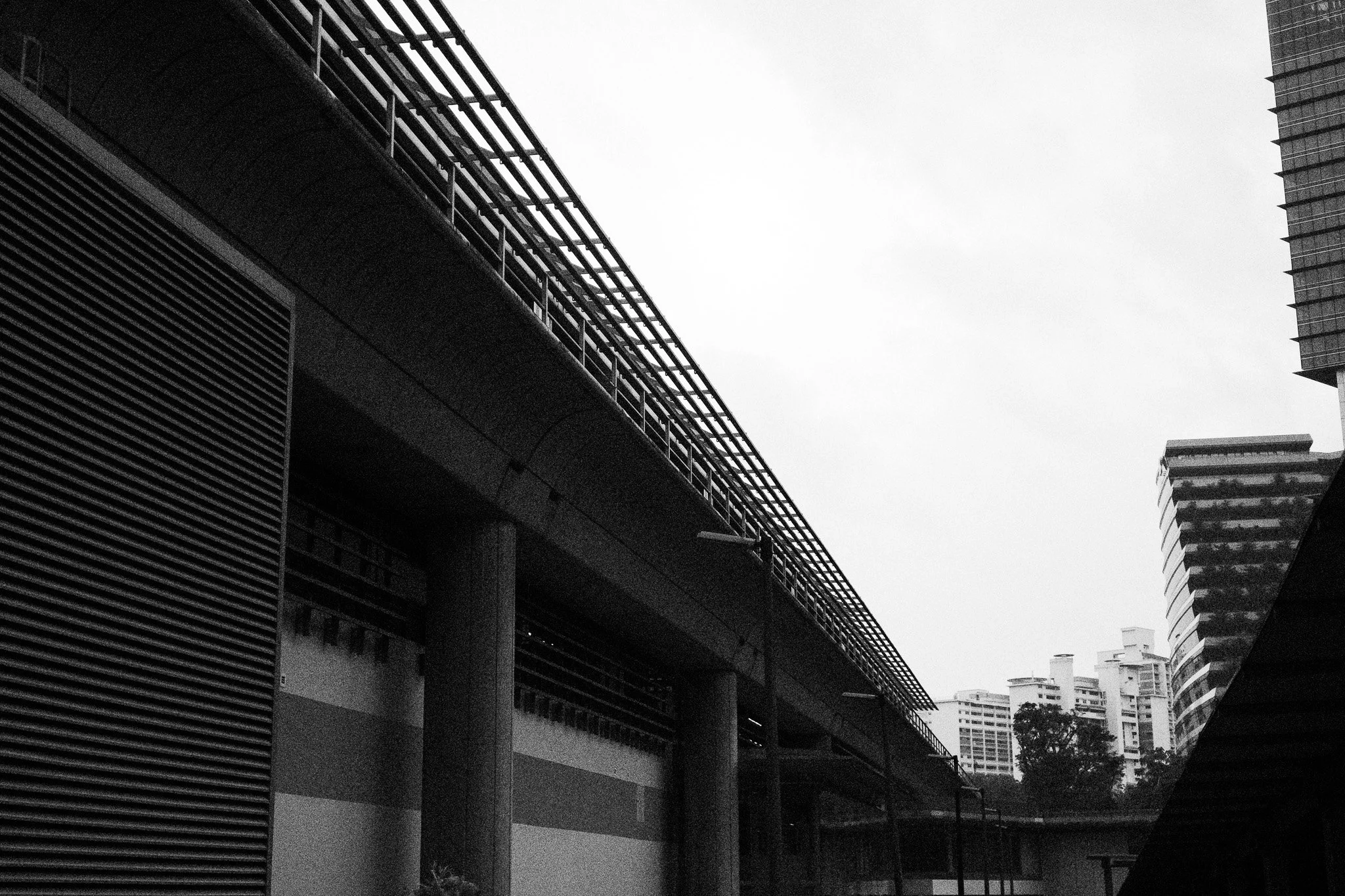
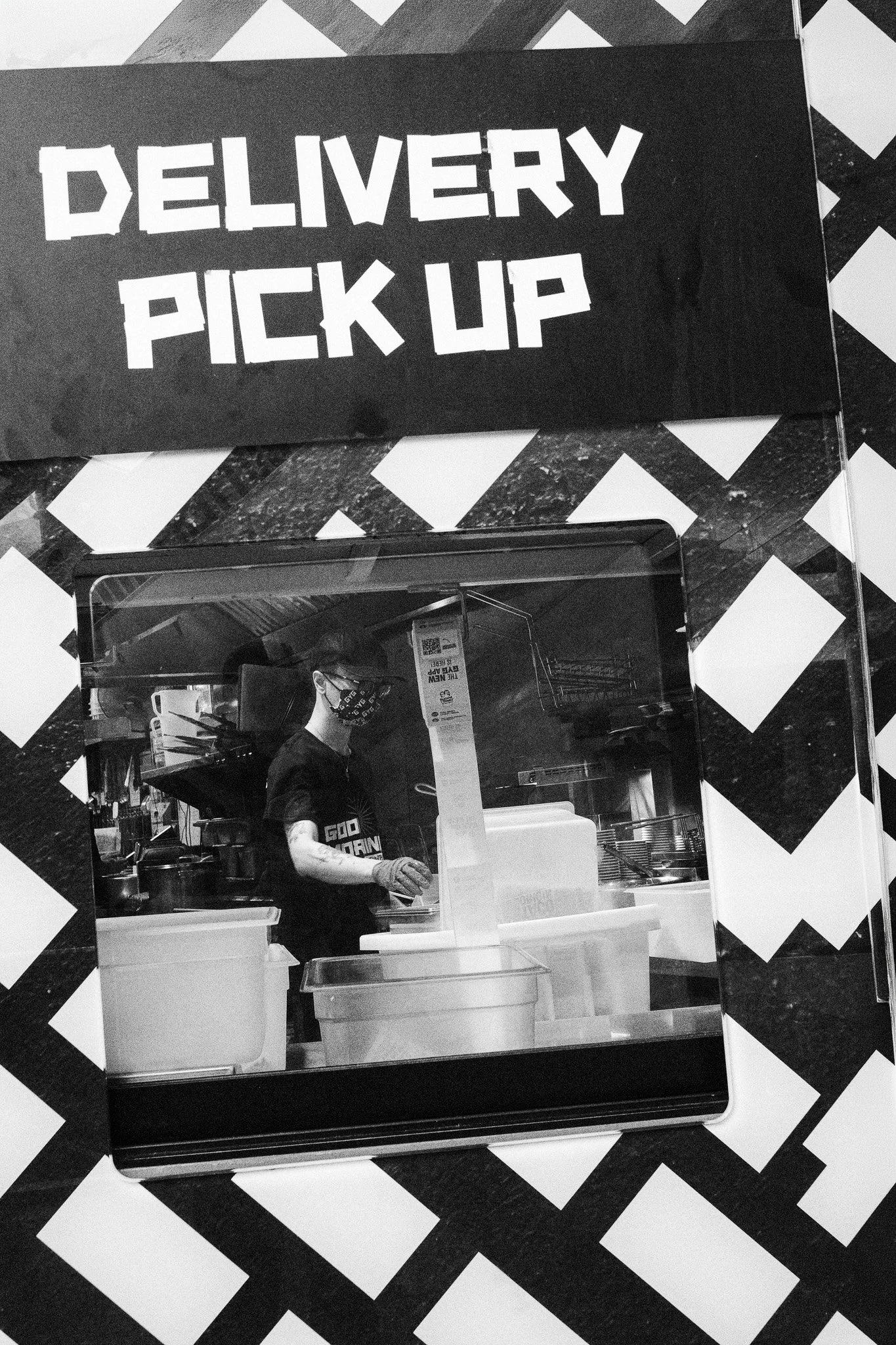
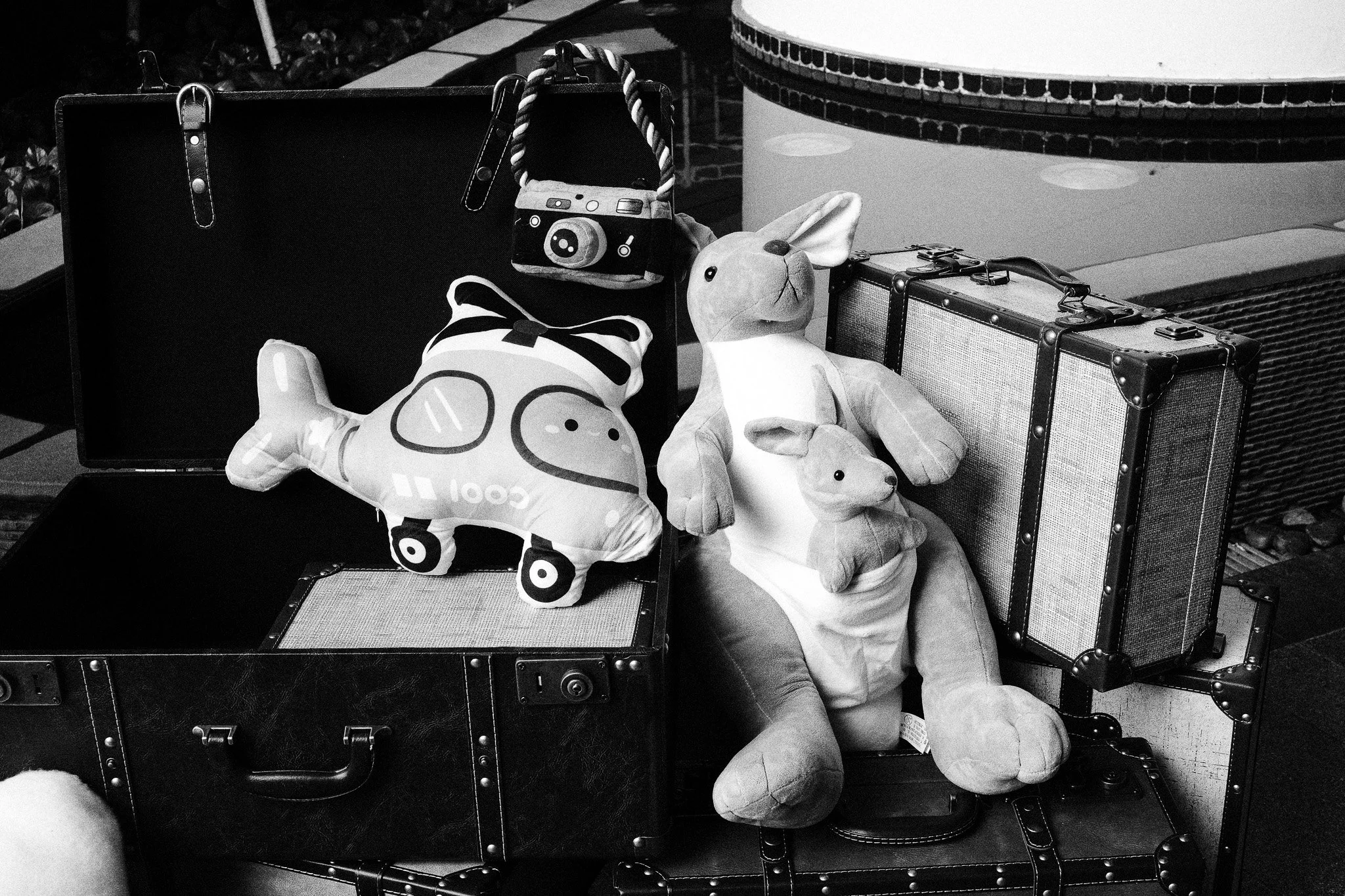
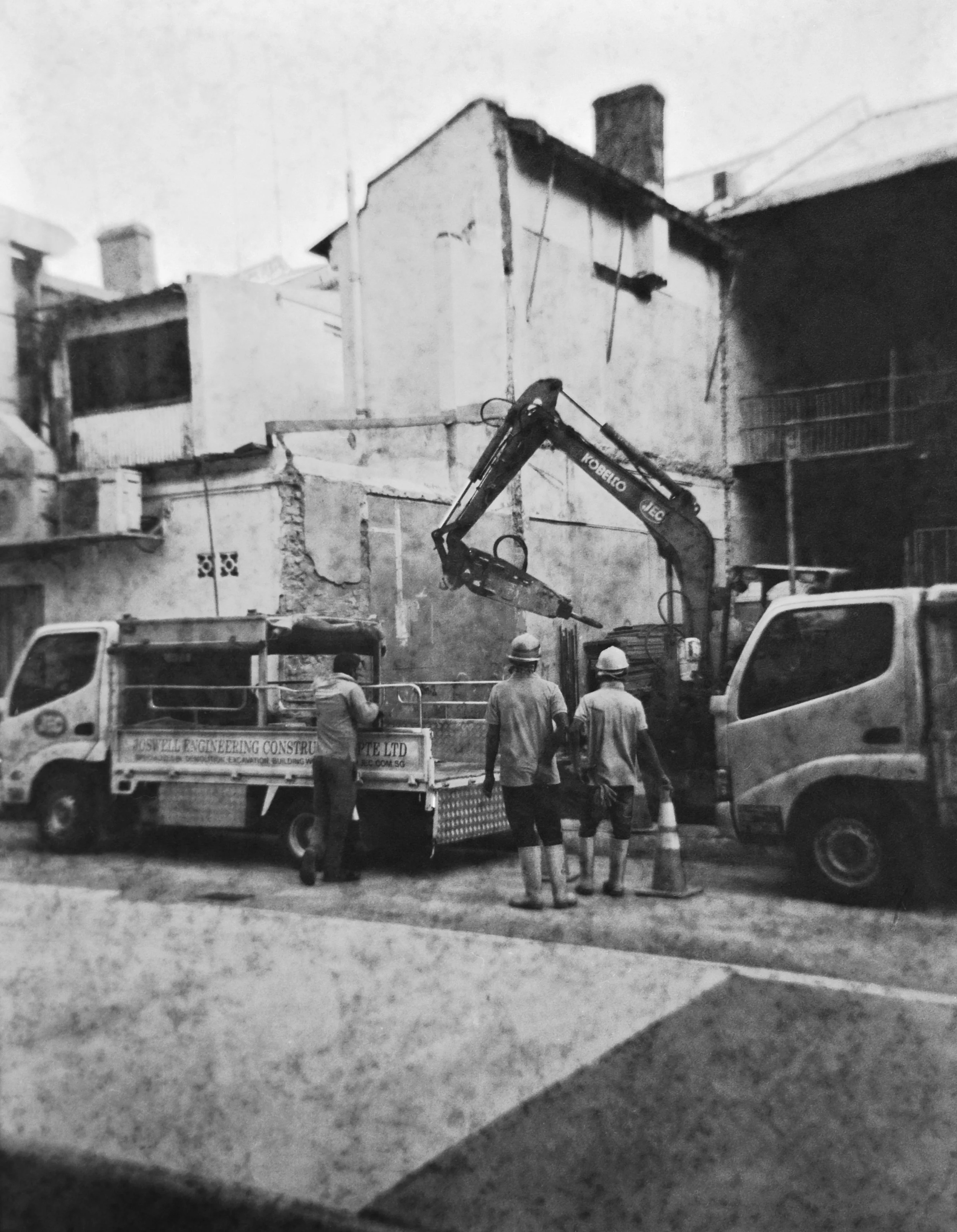
Most of our recent photography excursions had been in the western region of Singapore. This time, we went to explore the area surrounding the Buona Vista MRT. The commute to the location was not much of a hassle since I live close to the Paya Lebar MRT, where both the Circle and East-West lines could get me to my destination.
Since there was anticipation of rain, I decided to shoot with my Fujifilm X-T4 paired with the 27mm f2.8 WR; both the body and the lens were weather-resistant. The only thing that bothered me a little bit was how the haze situation would be during the 2 hours that we were planning to spend outdoors. Though it was not at the best level possible, it was still in the moderate range.
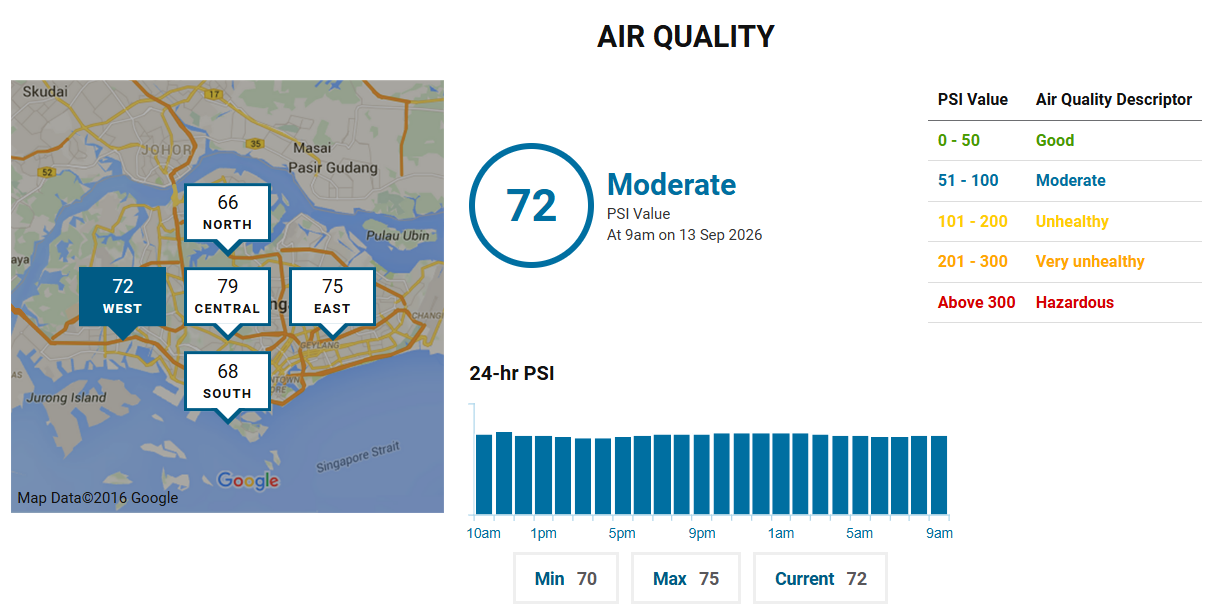
The first half of the walk was uneventful. We had a leisurely walk around the neighbourhood toward the Star Vista Mall. We reached there around 8:30, and it was not fully operational yet. We even had one security person inform us that the L3 area was not open to the public until 10:00. Though we were not posing any risk to that open space by being there, we decided to keep ourselves to the lower floors so that we could avoid an unnecessarily unpleasant escalation.
We moved on from there towards the Rochester Mall. At this point, we felt a slight change in the weather. The light was overcast, and the wind carried a sense of chill. Rain was coming, and we had to make a quick decision: to push forward with our original route, or turn back and seek shelter. I never shy away from a little rain, especially when I am out with weather-resistant gear and an umbrella. By the time the rain came, I was with half the group, and the rest were hanging behind with Lack. So, they turned back and went to the Star Vista Mall, and we weathered the rain under one HDB Block. Once the rain subsided, we found a shortcut through the HDB blocks and joined the rest of the group for a coffee.
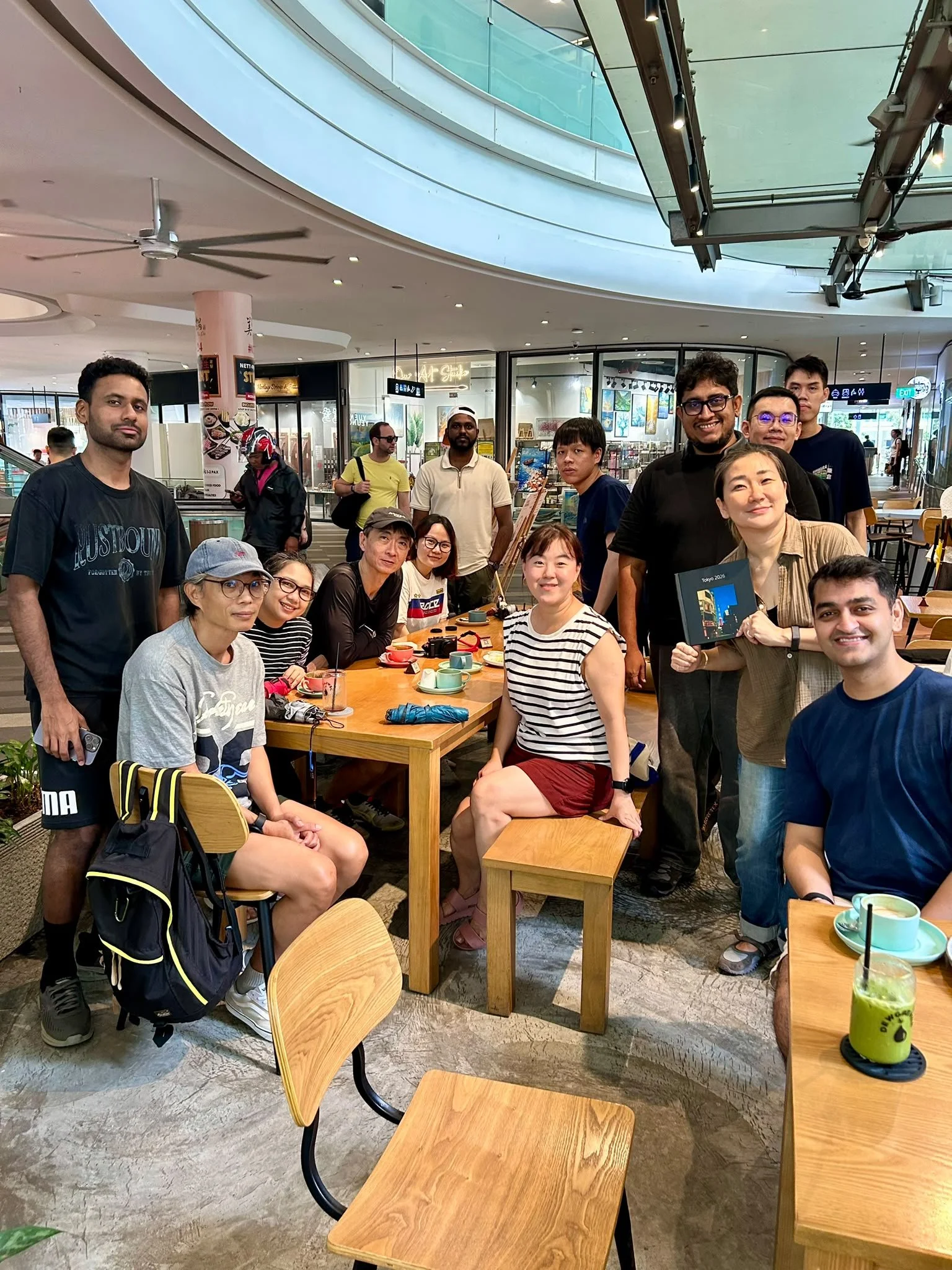
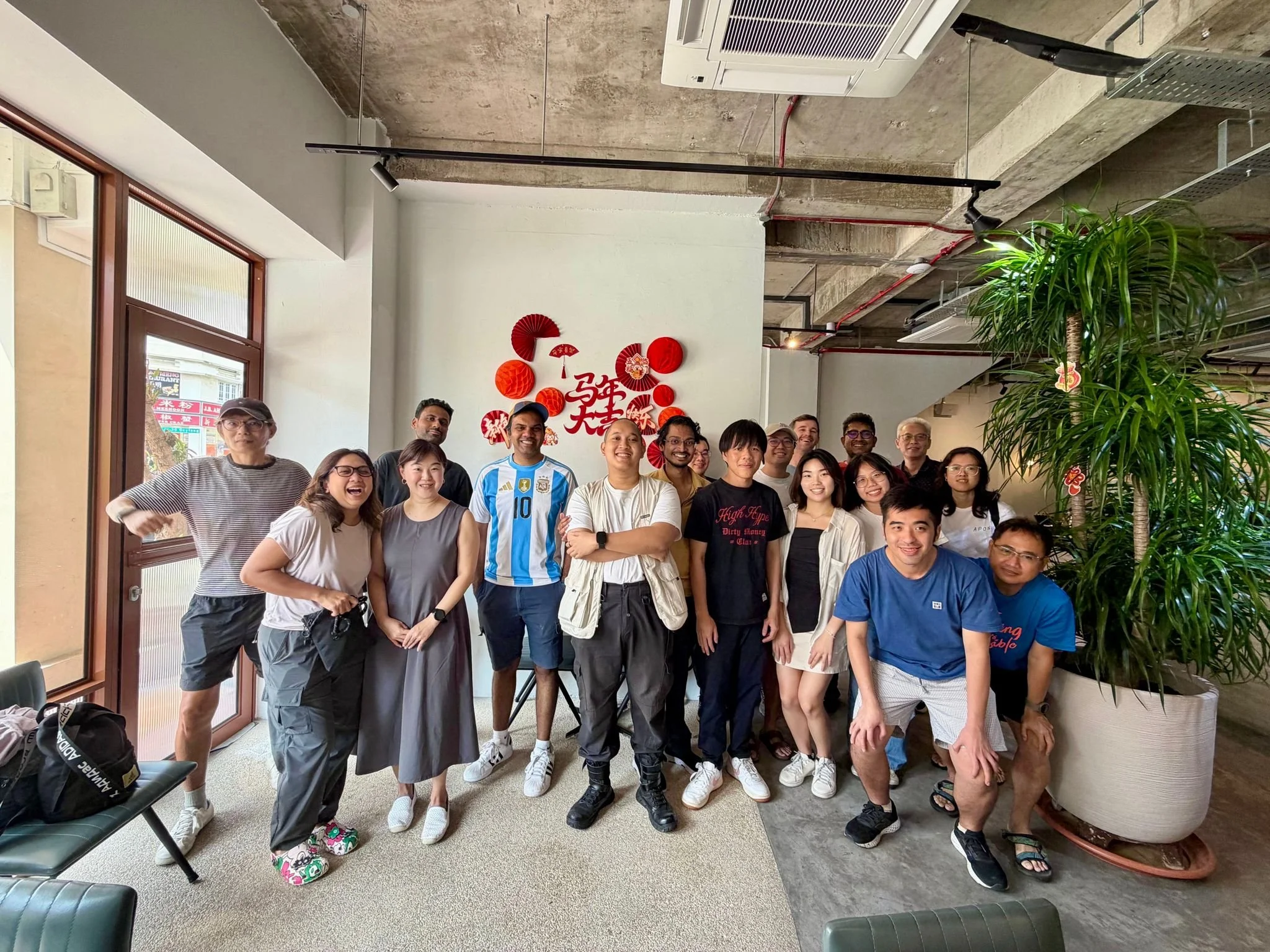
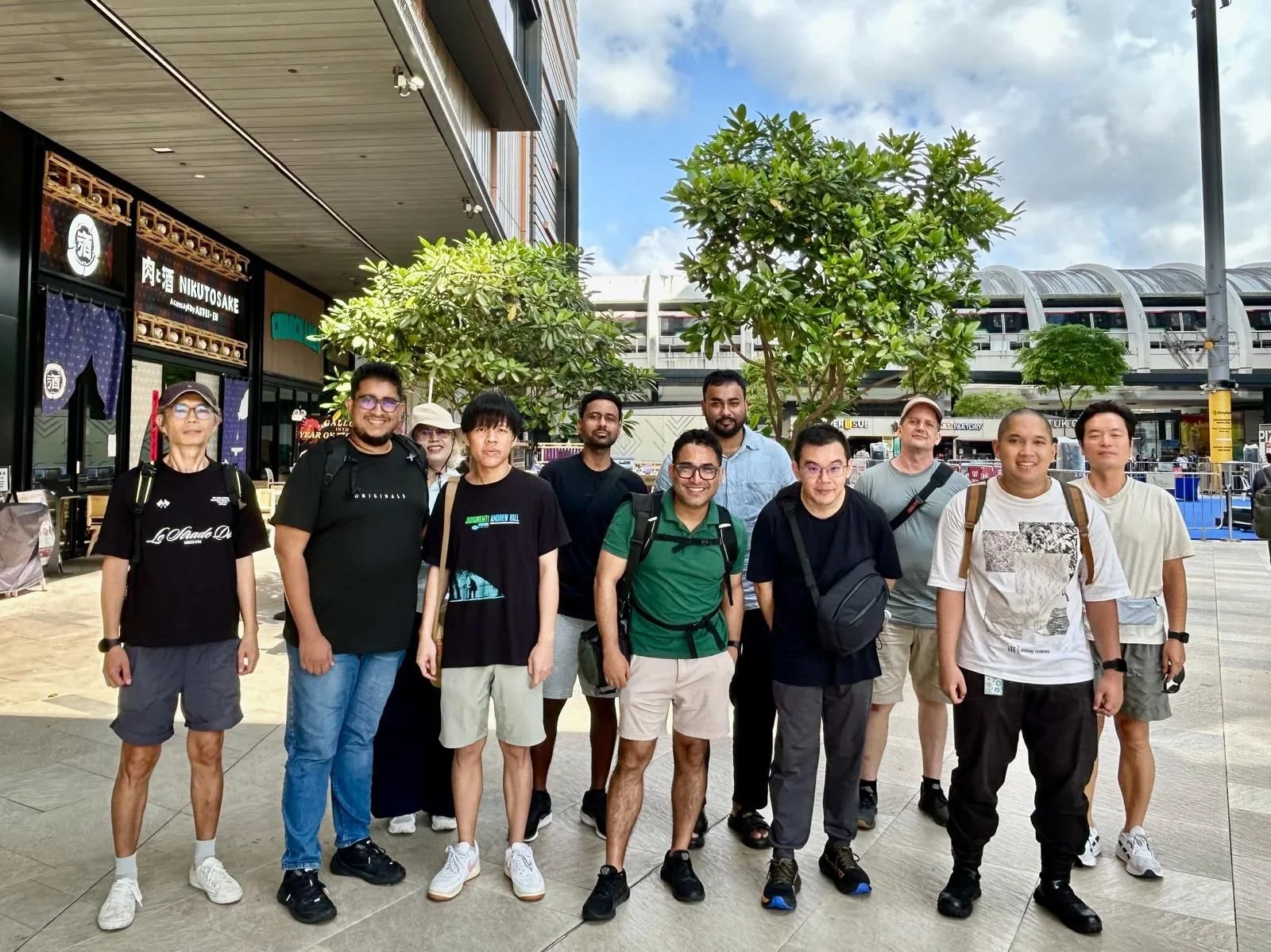
SWP Photo Walk #195 Group Photo
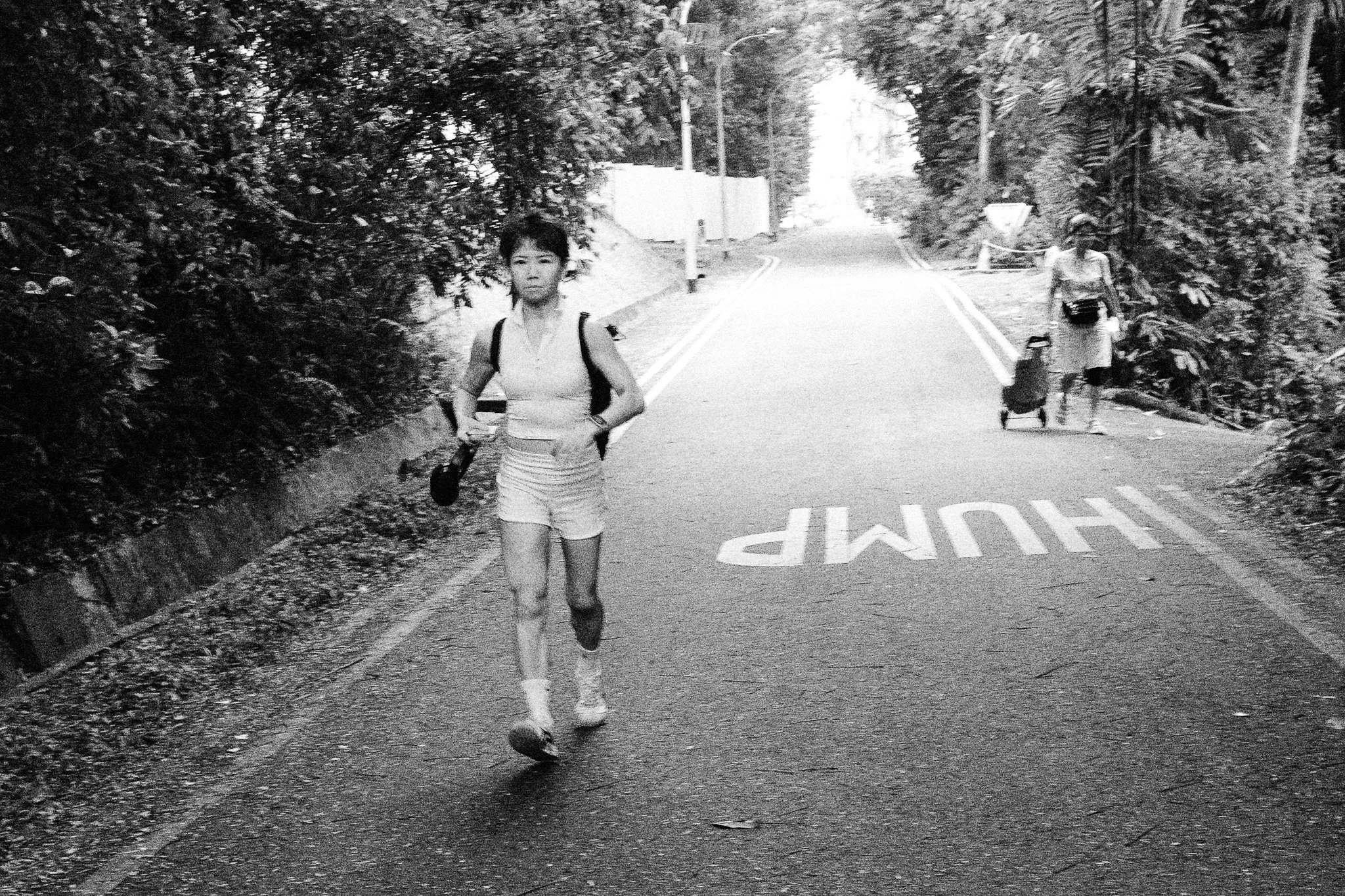
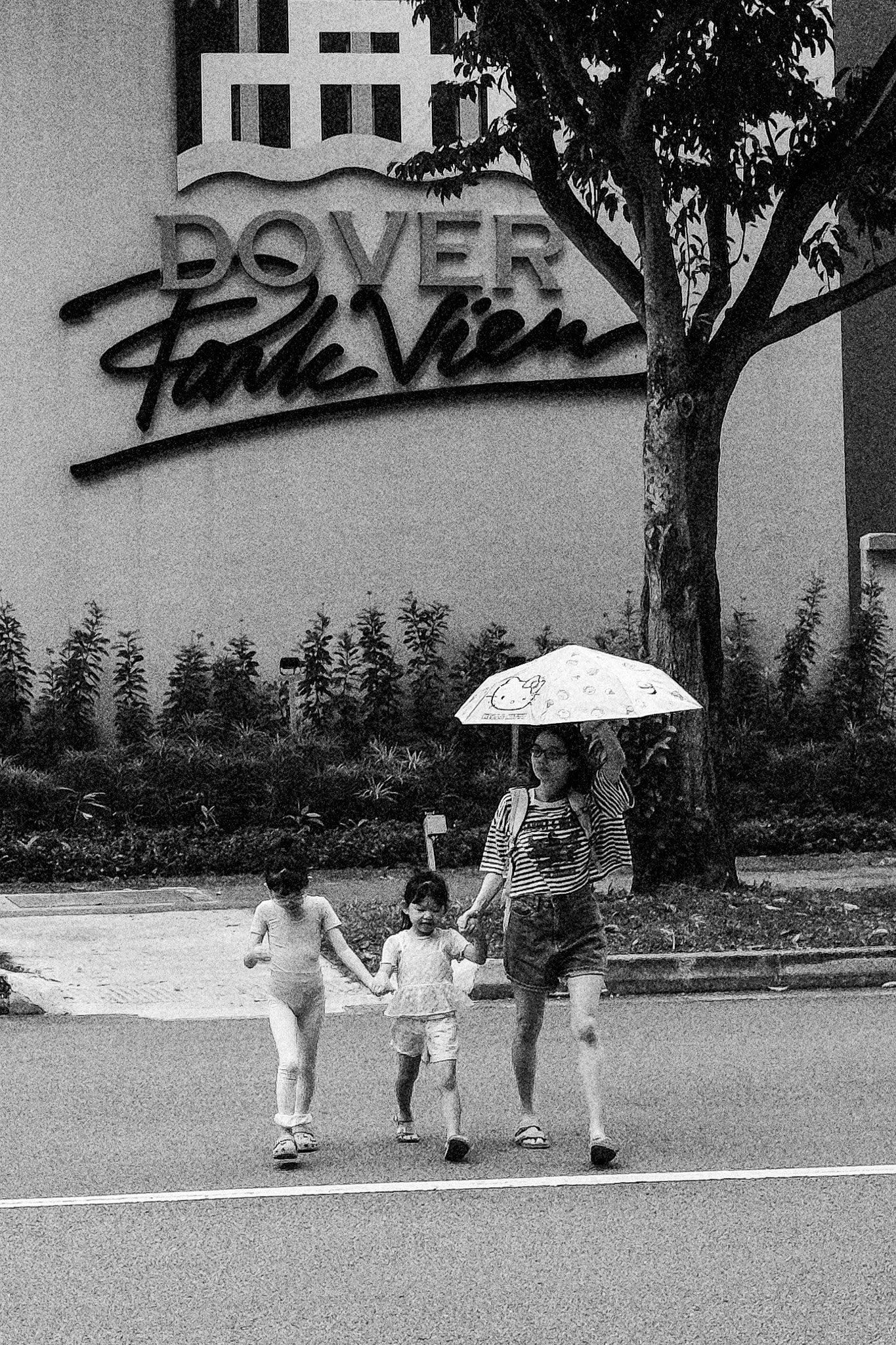
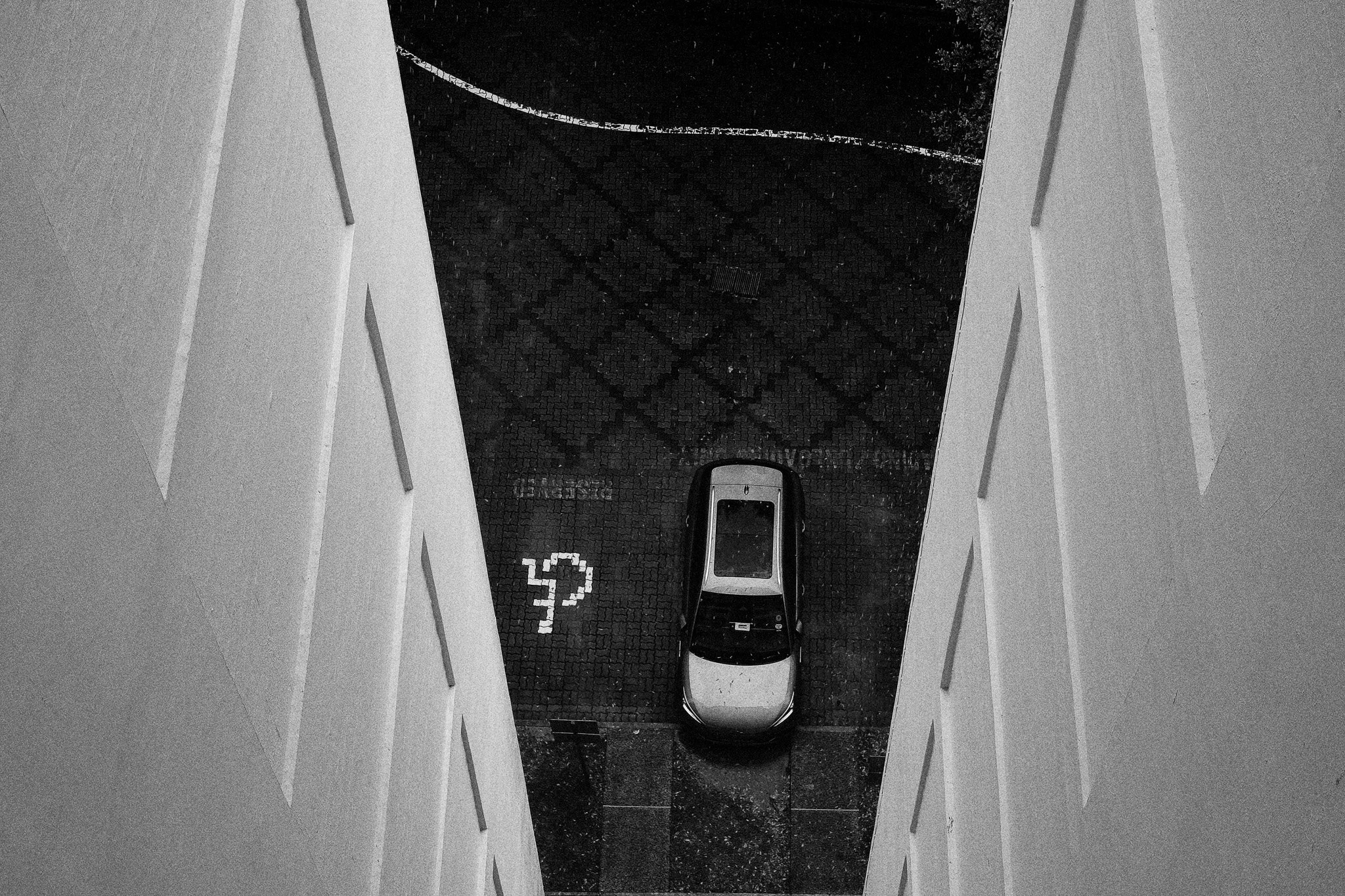
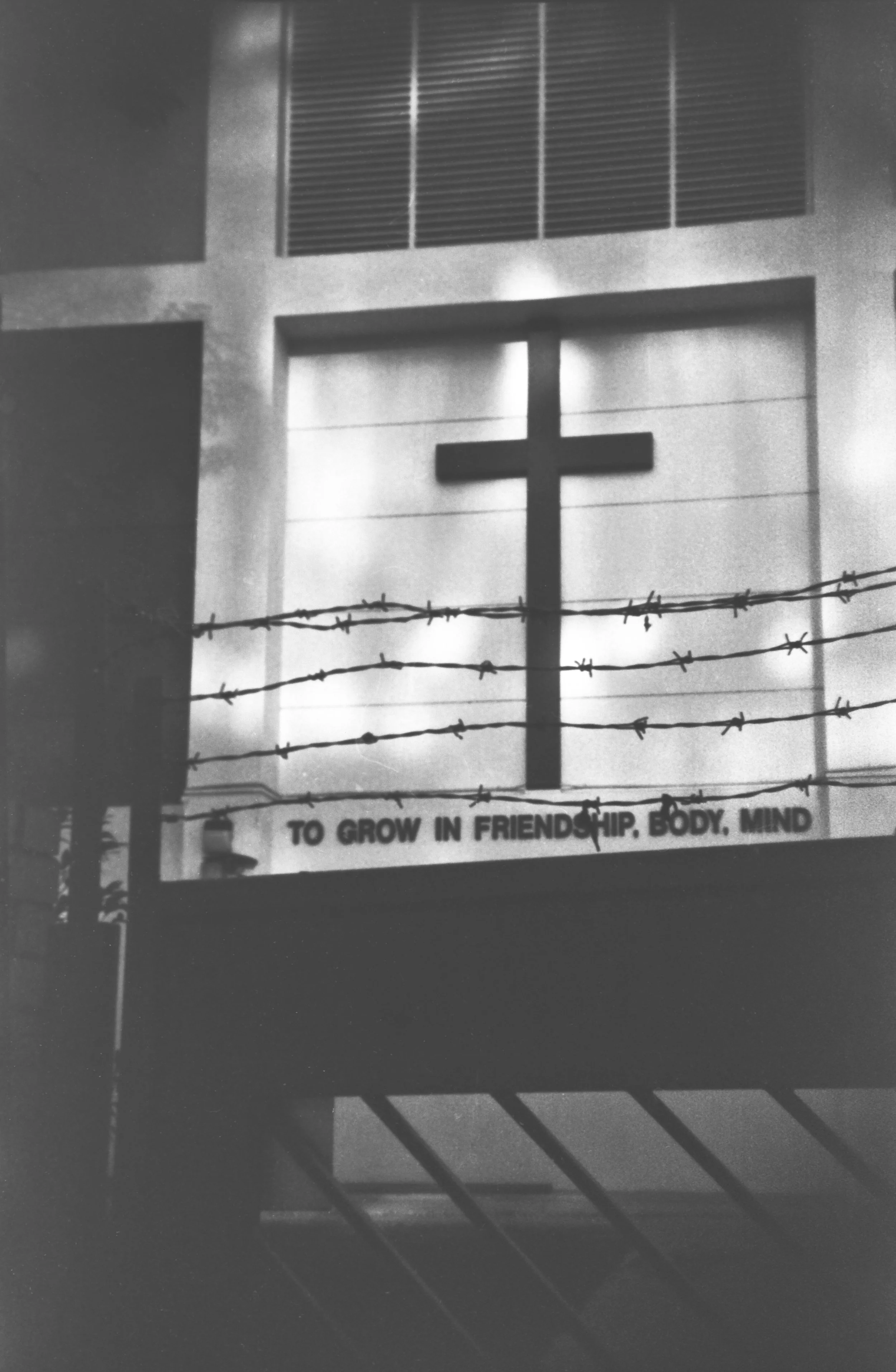
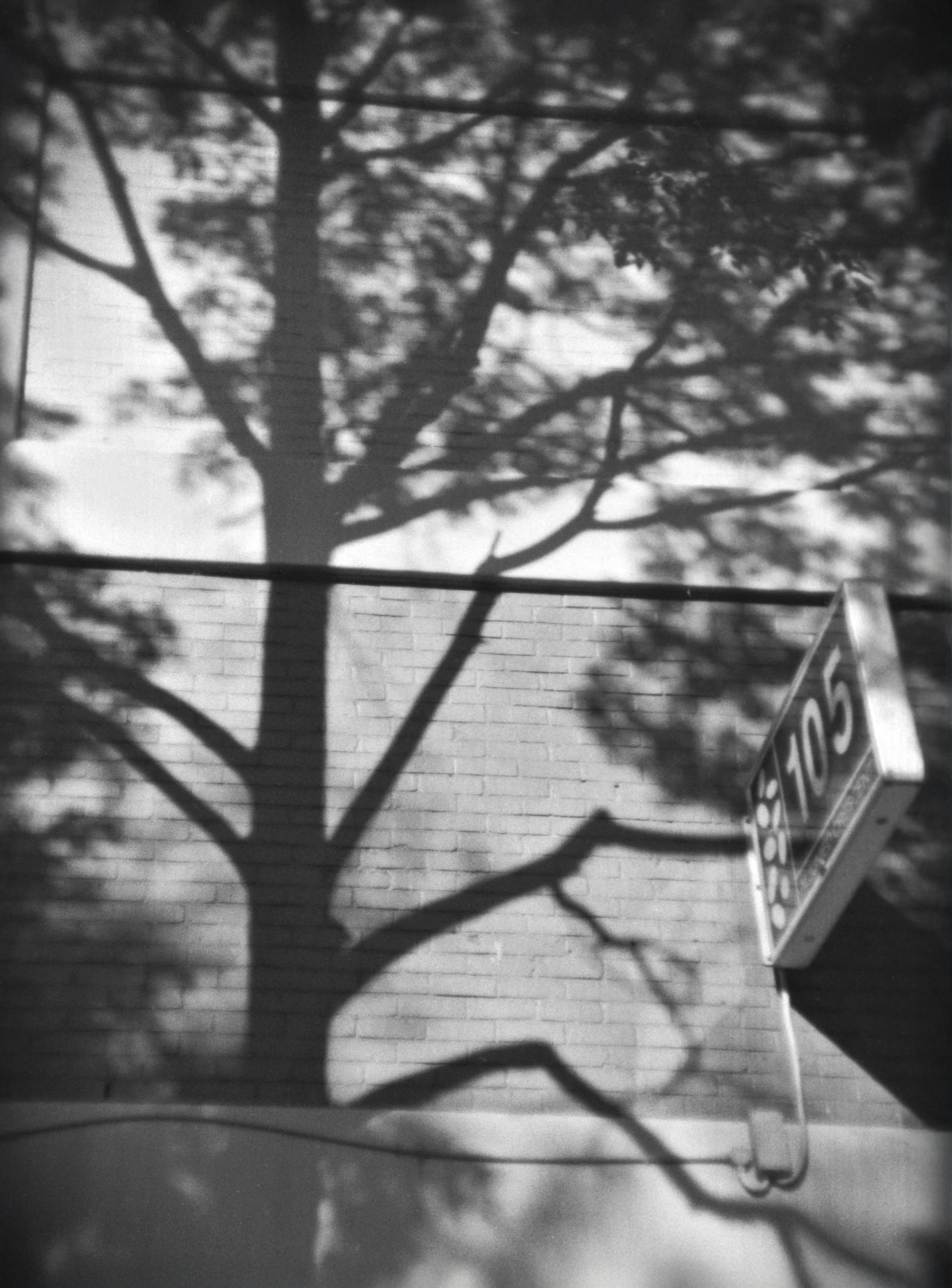
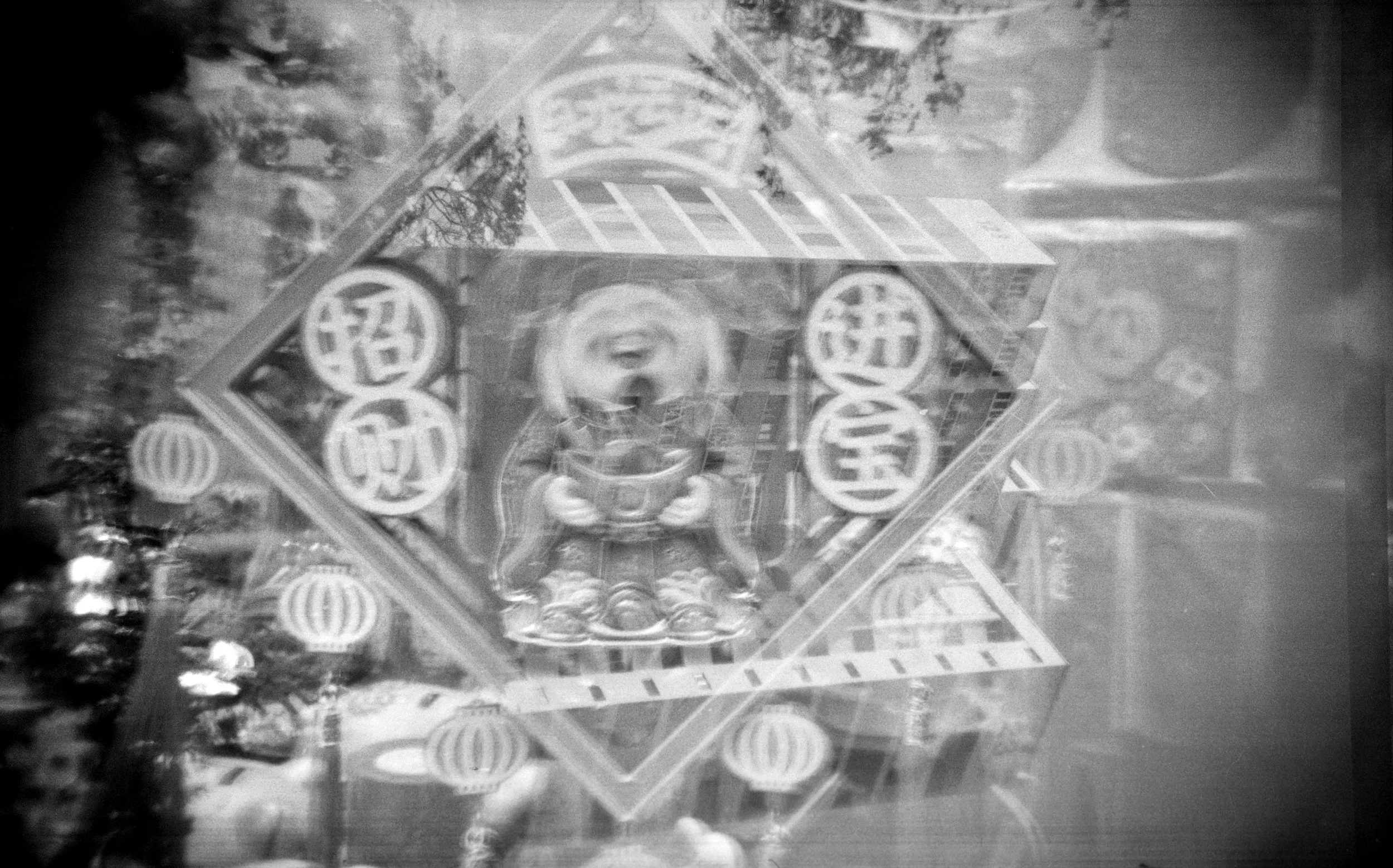
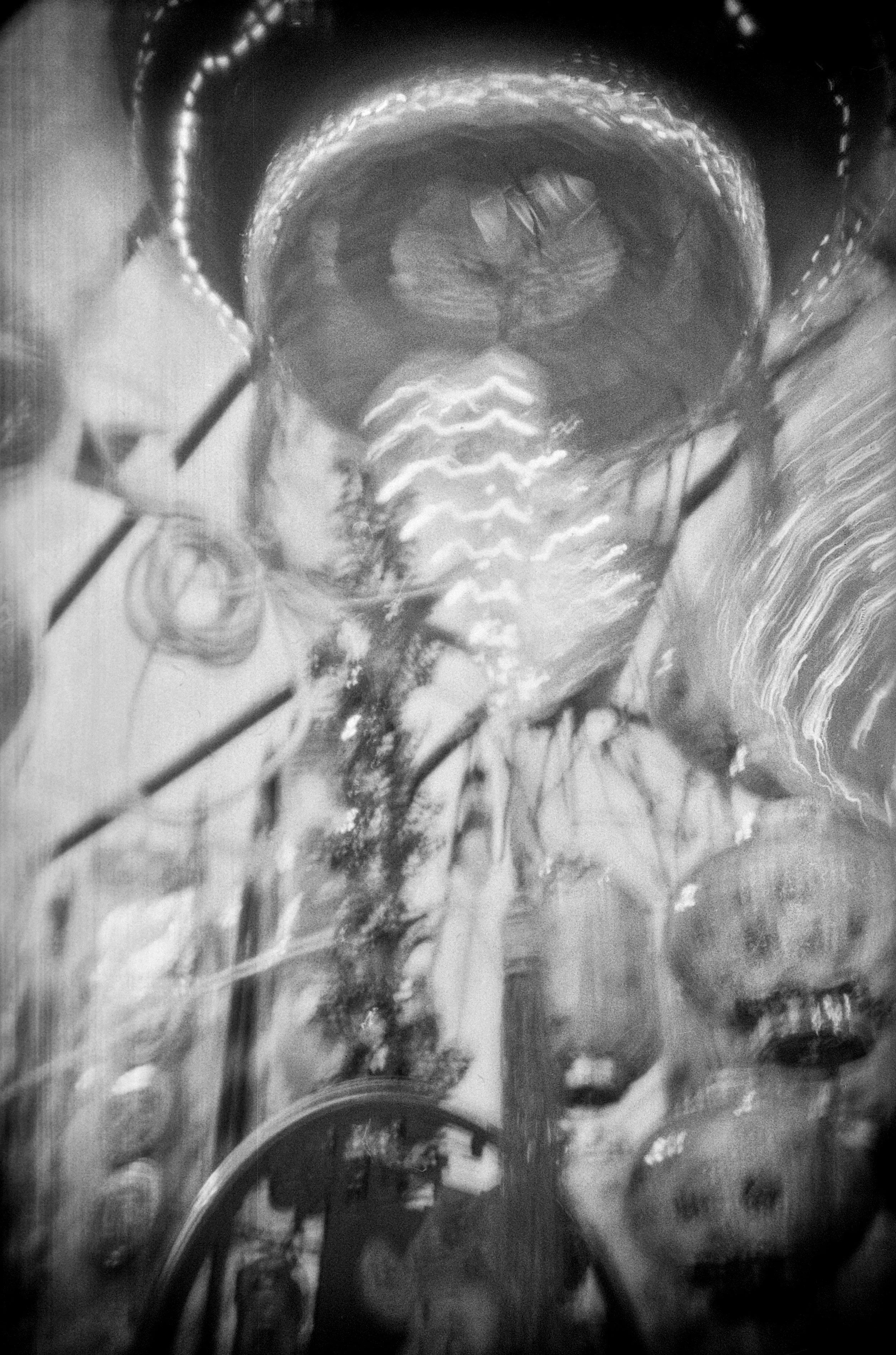
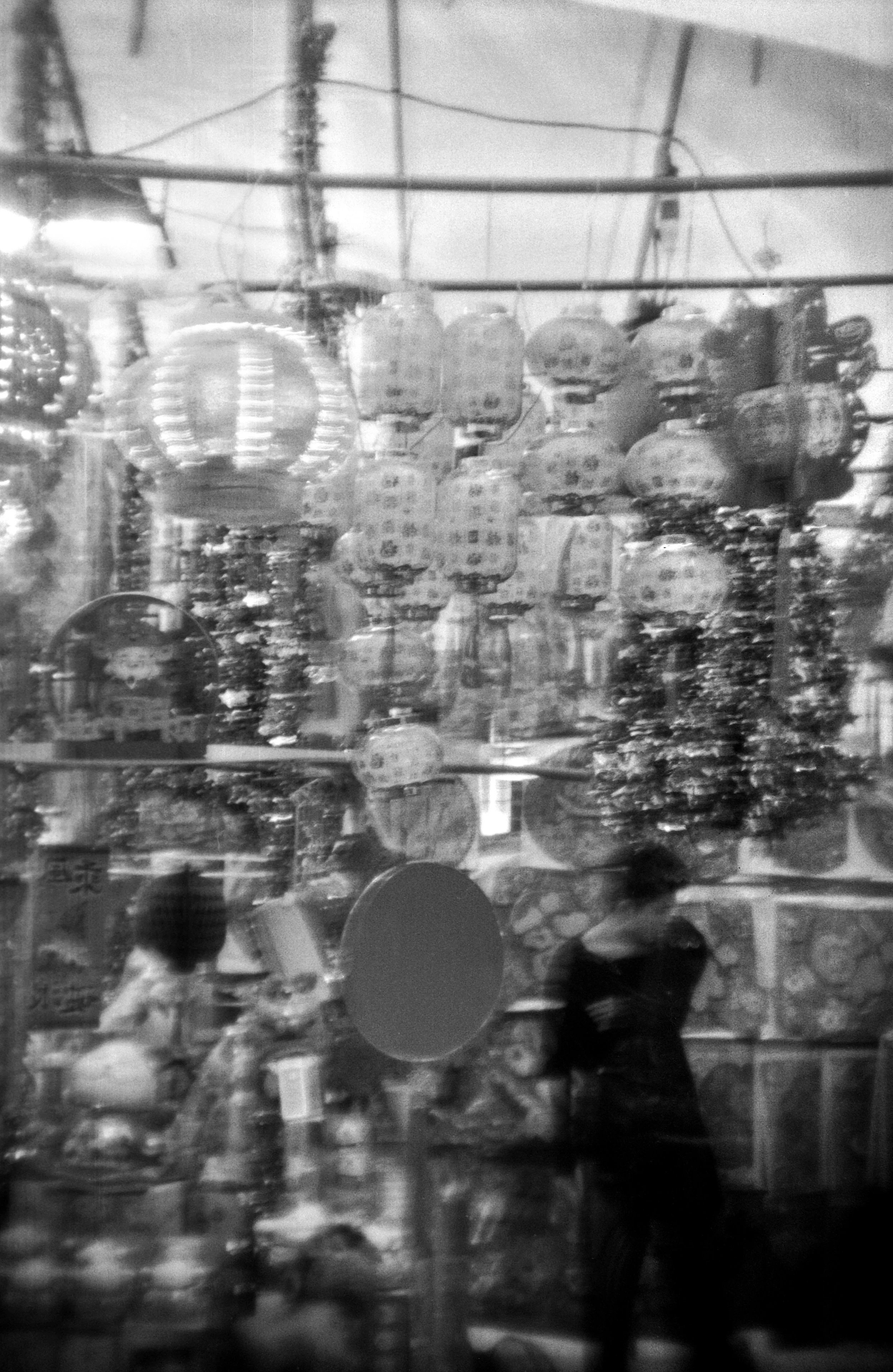
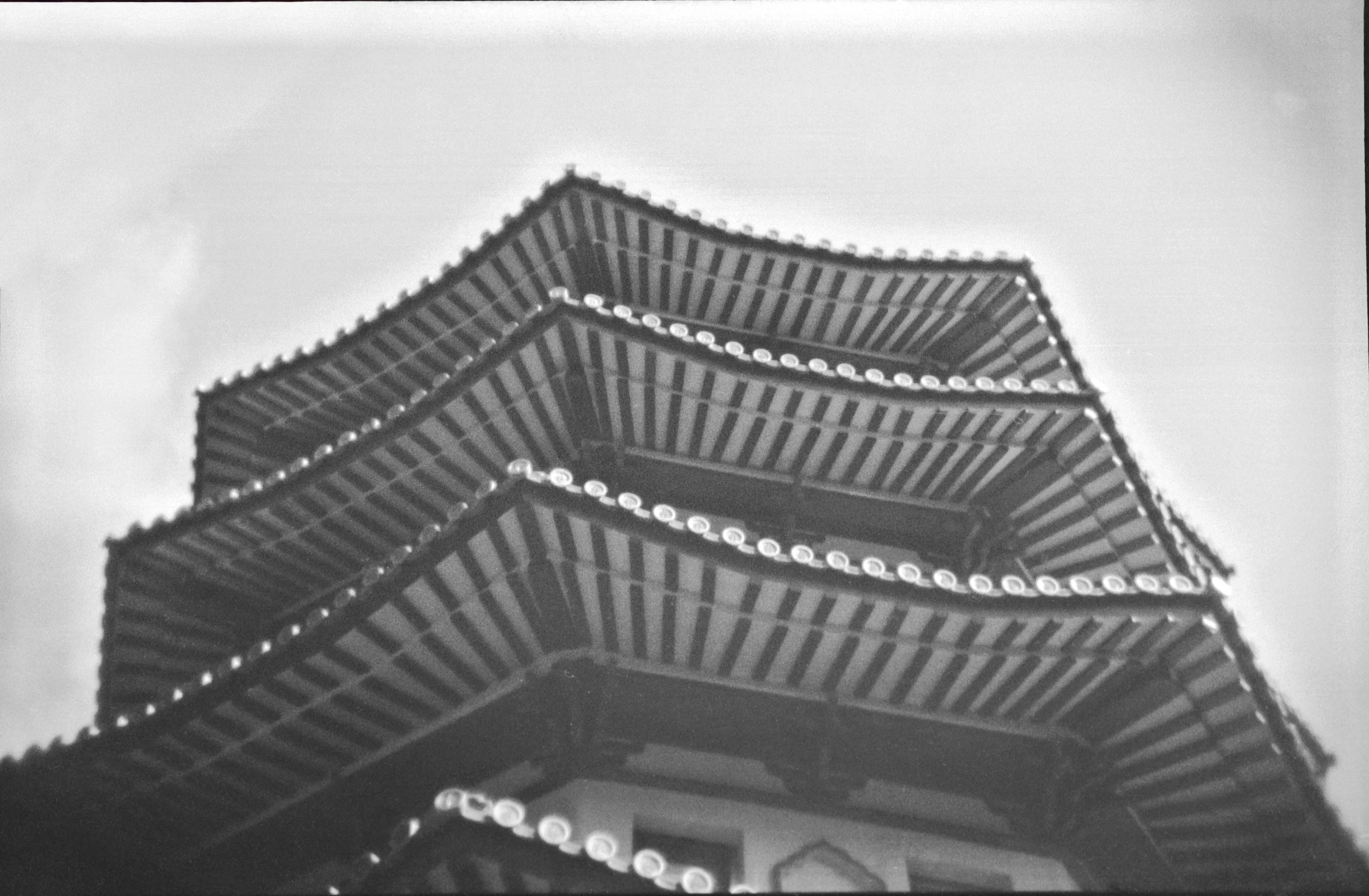
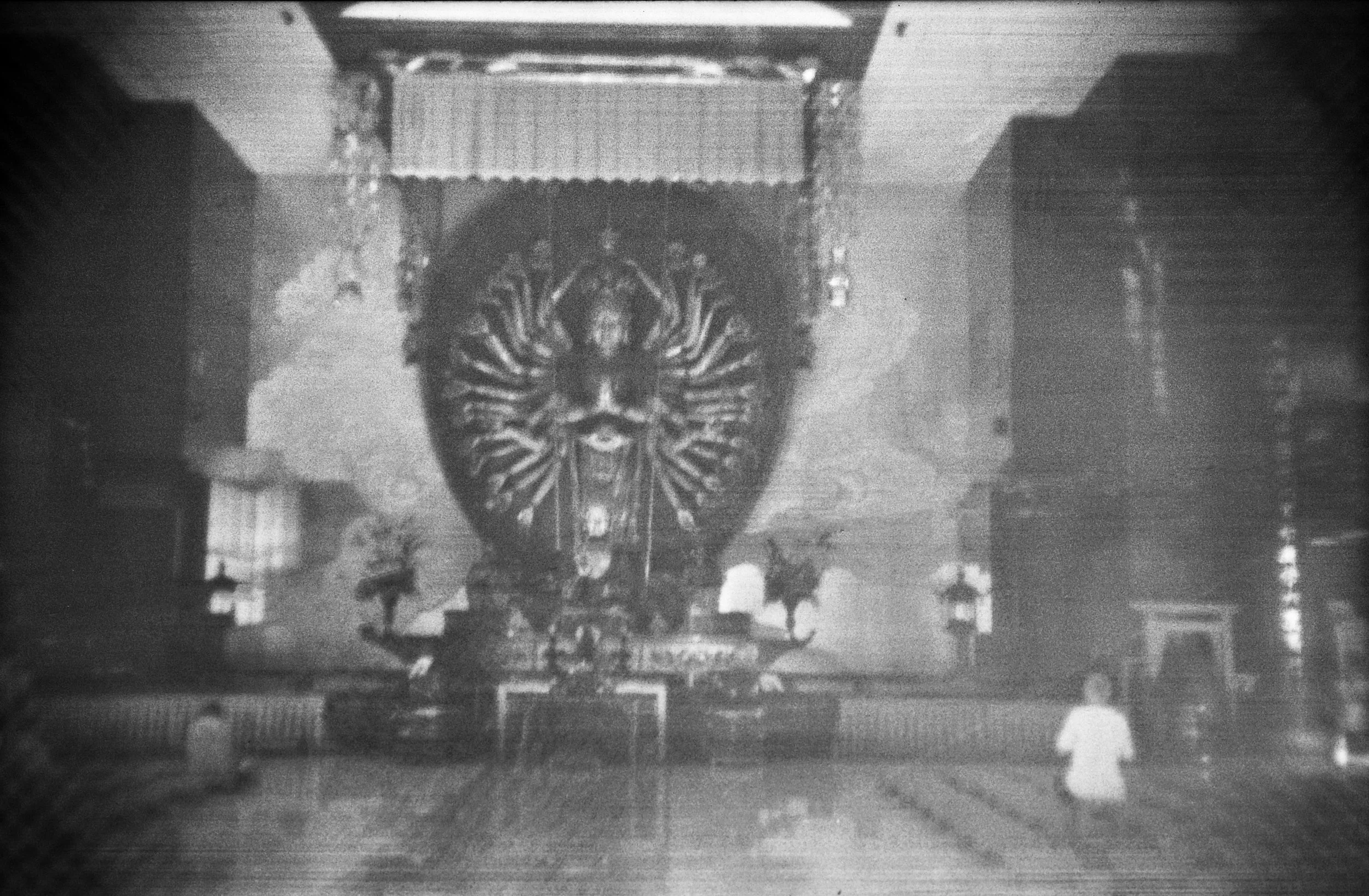
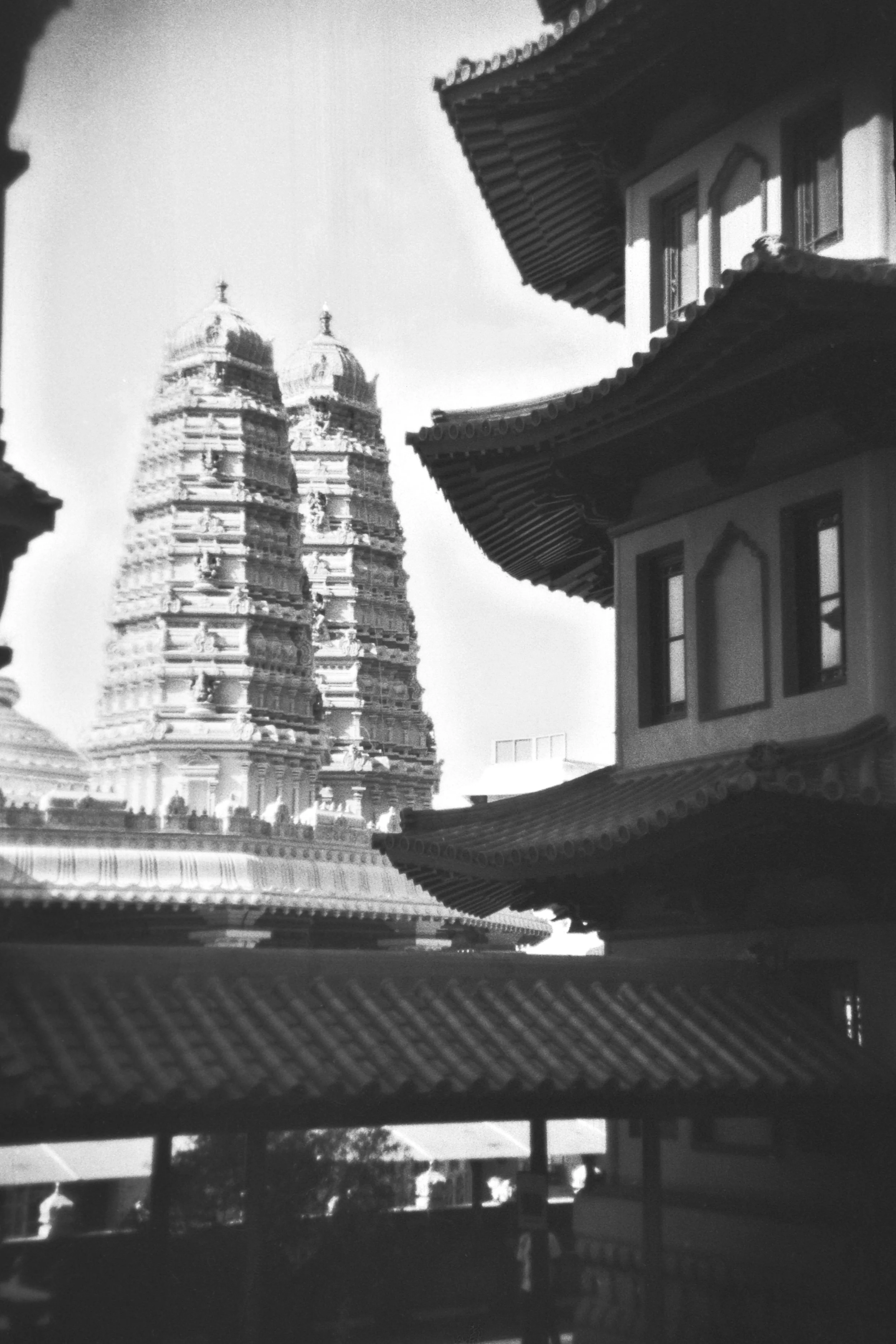
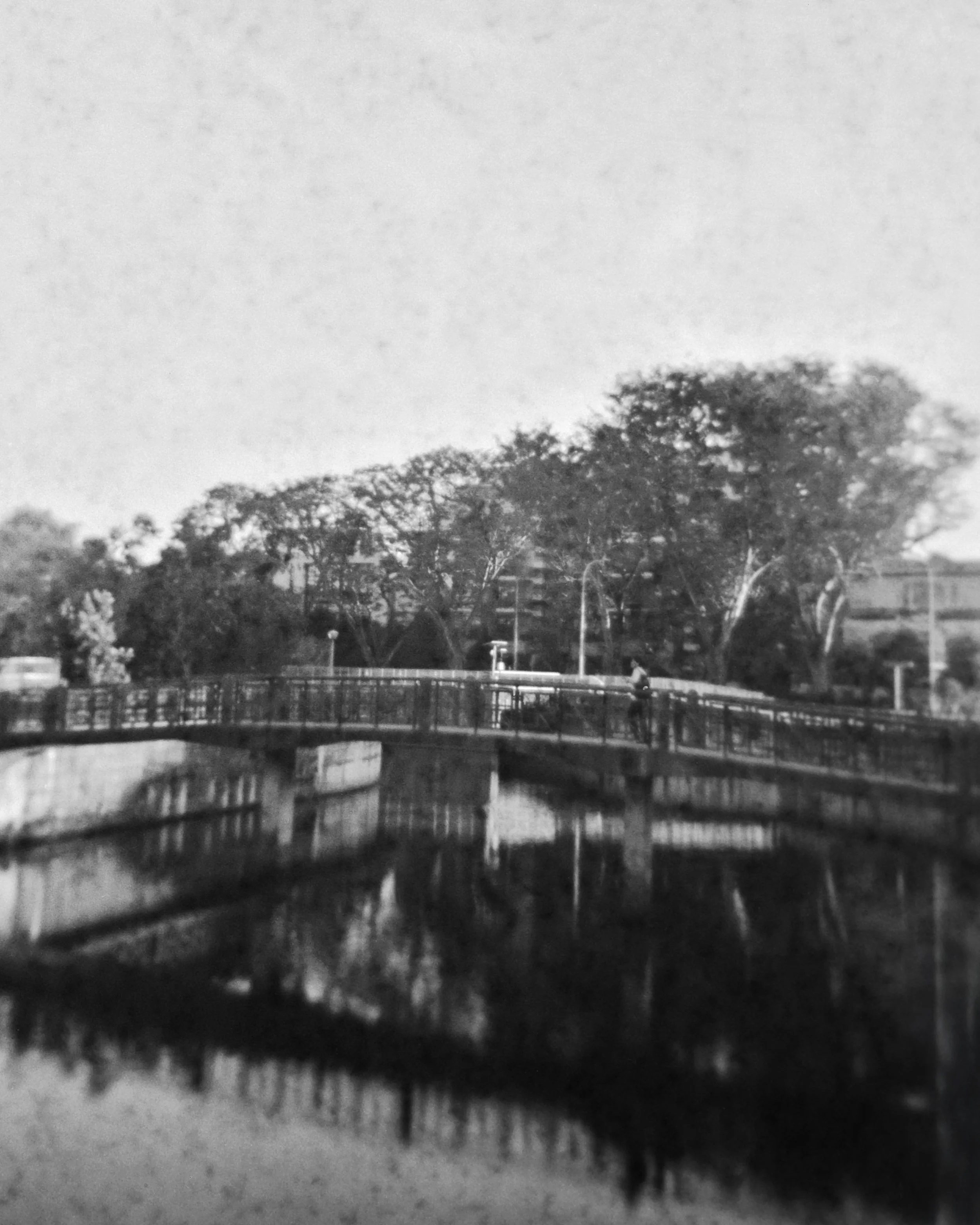
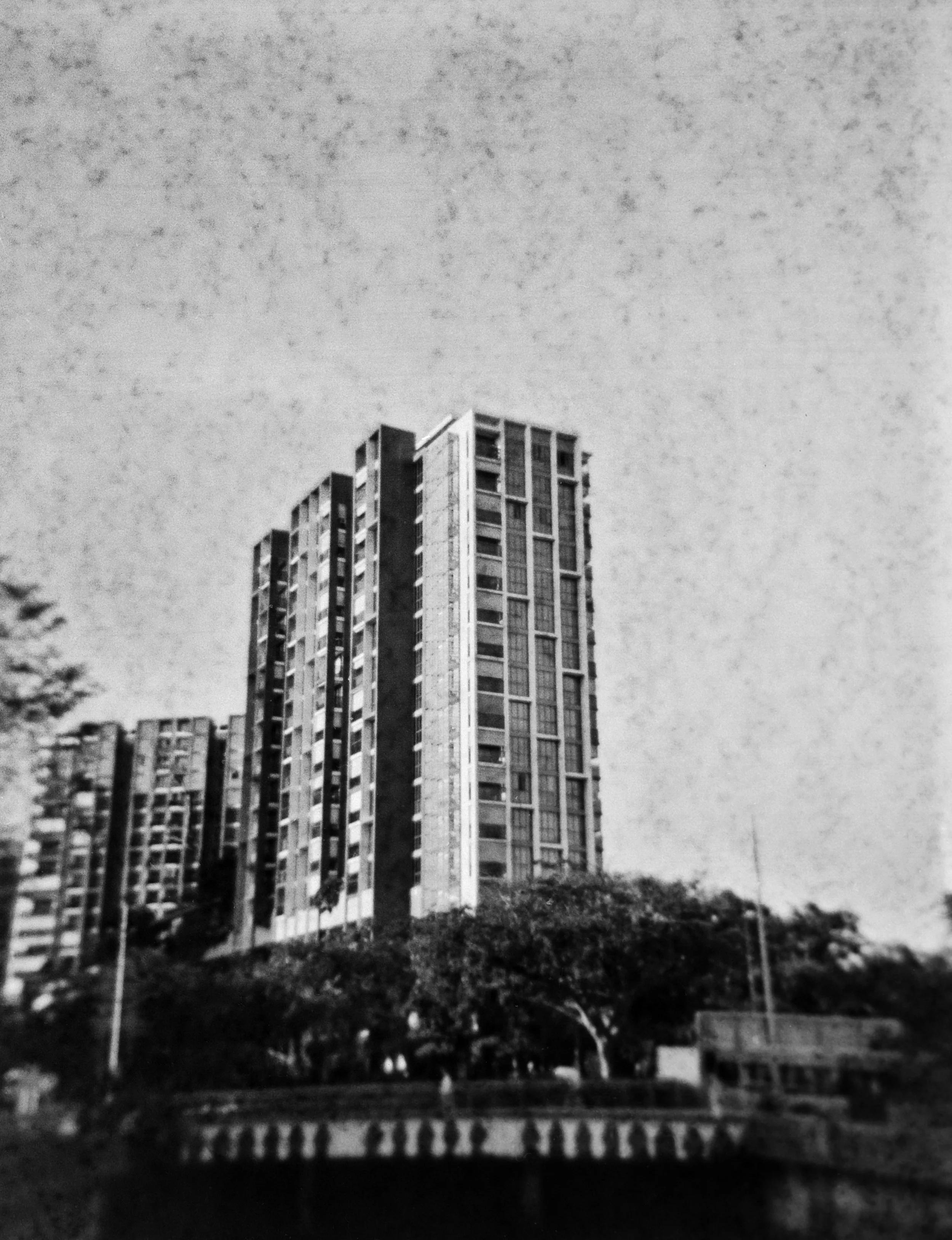
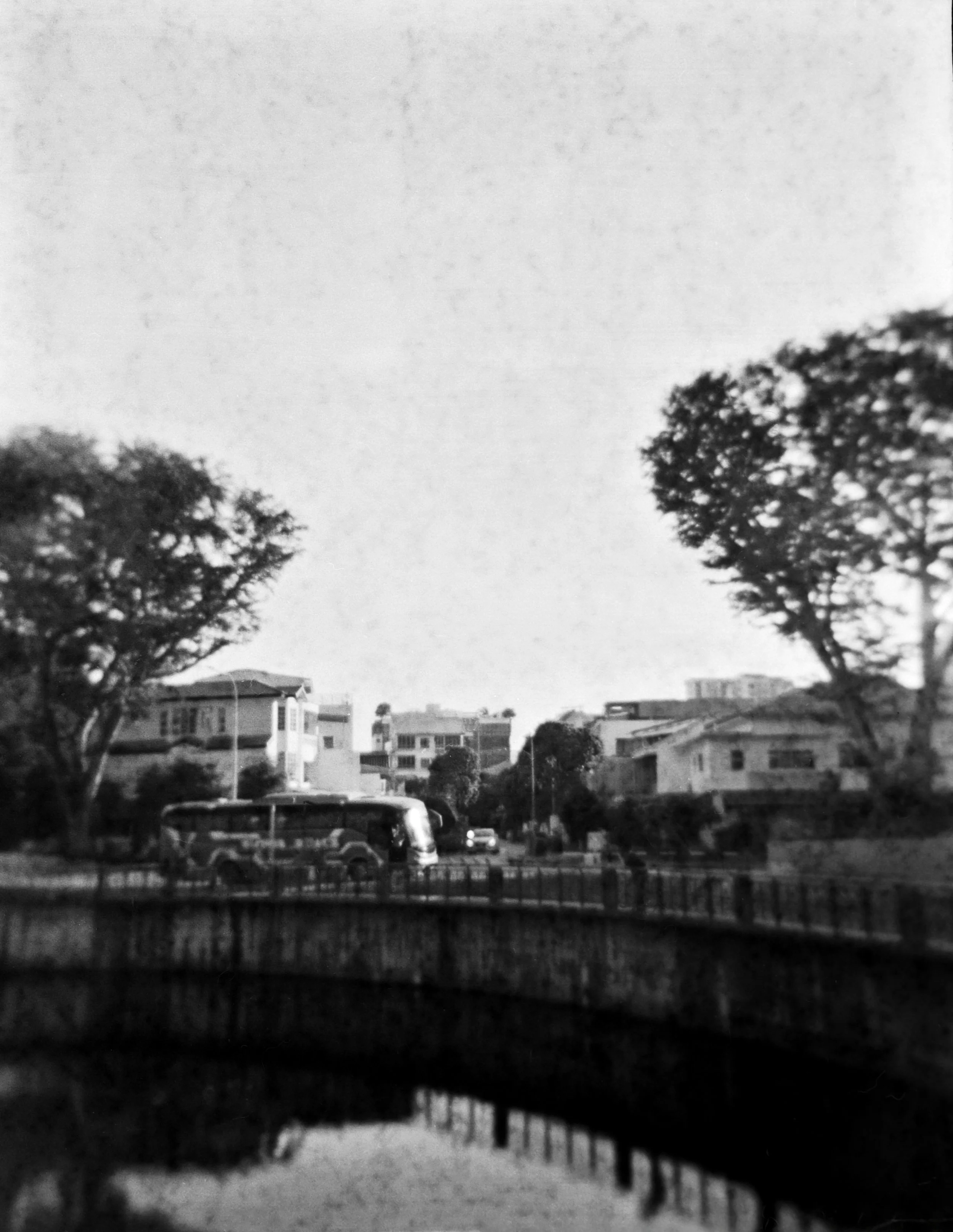
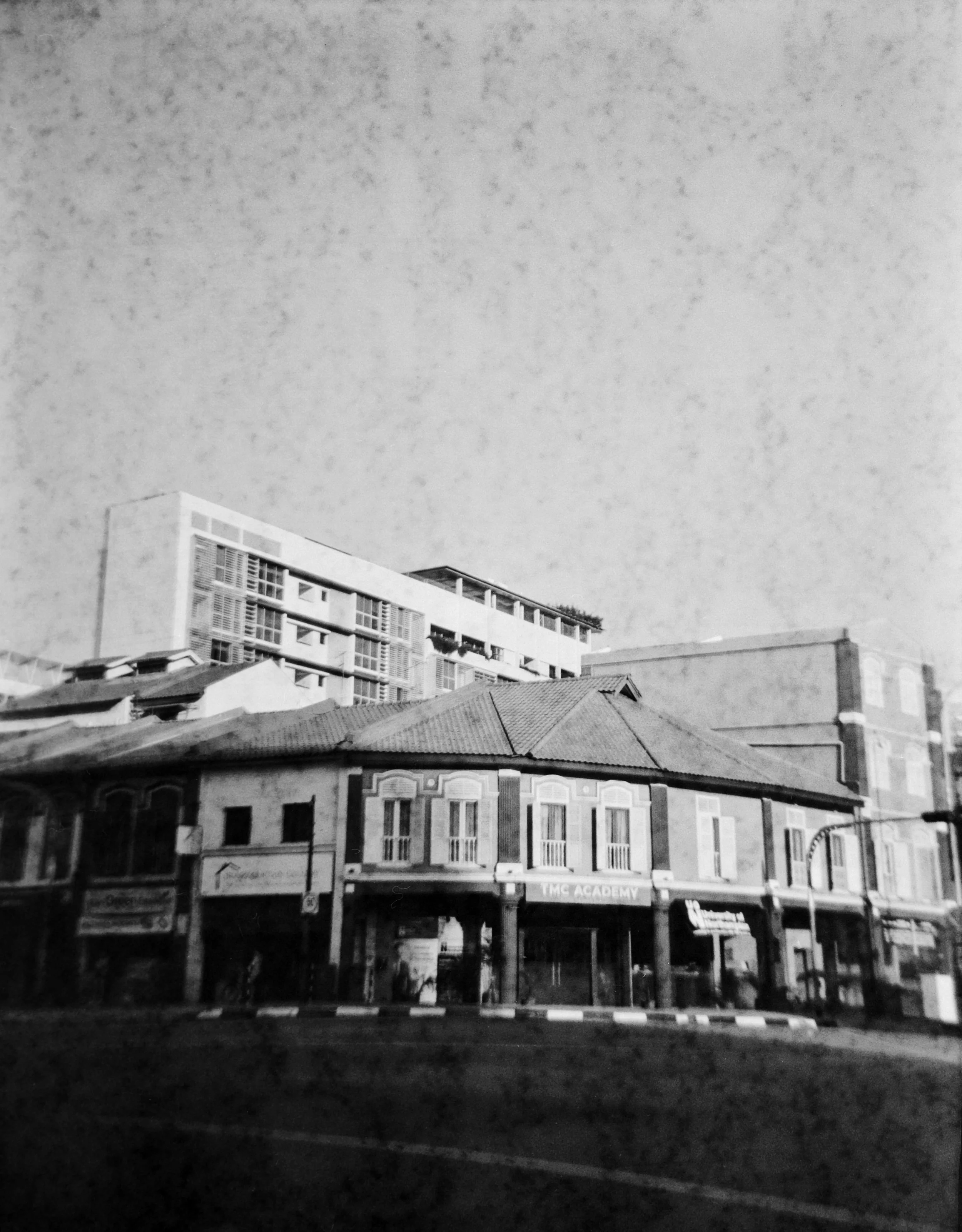
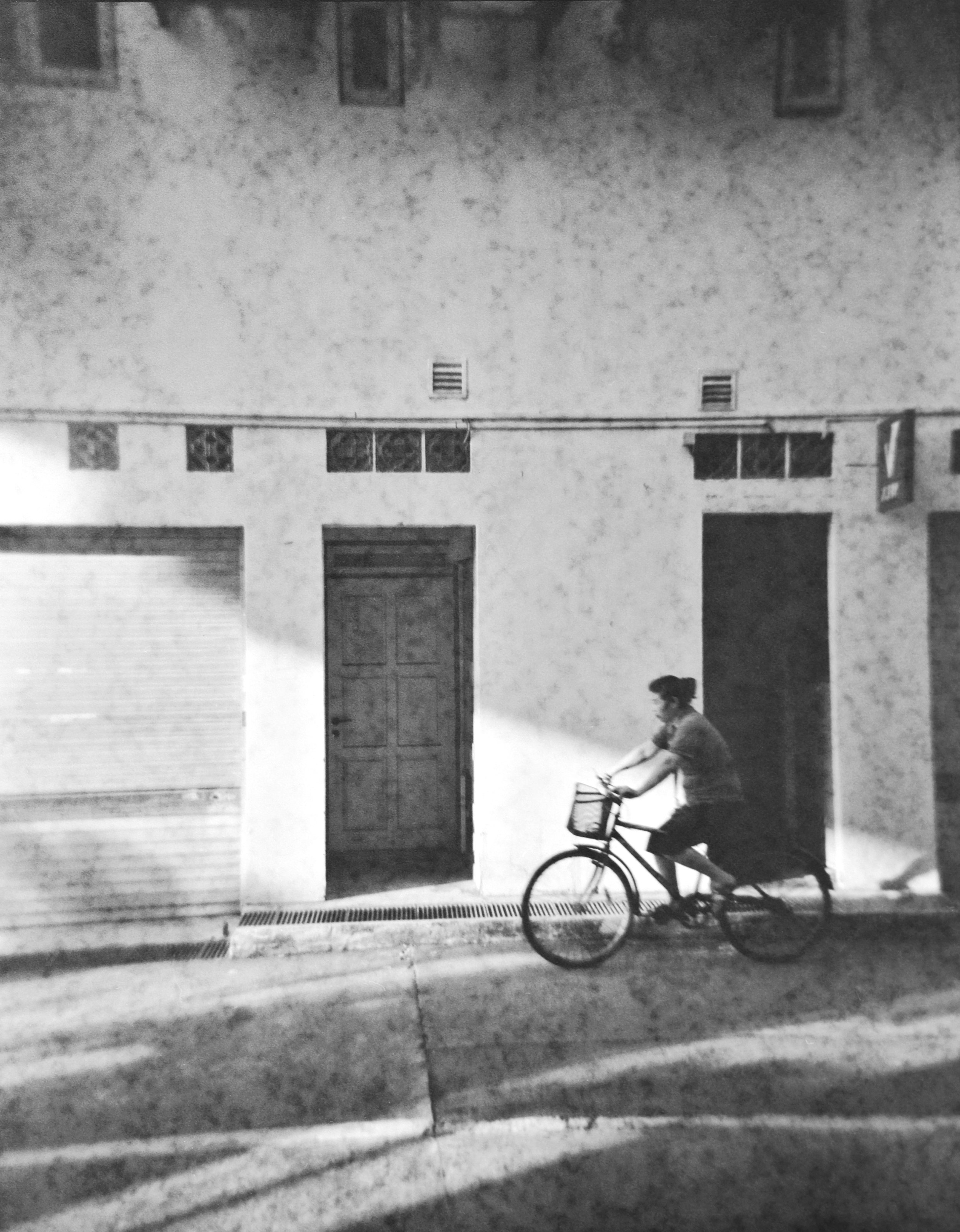
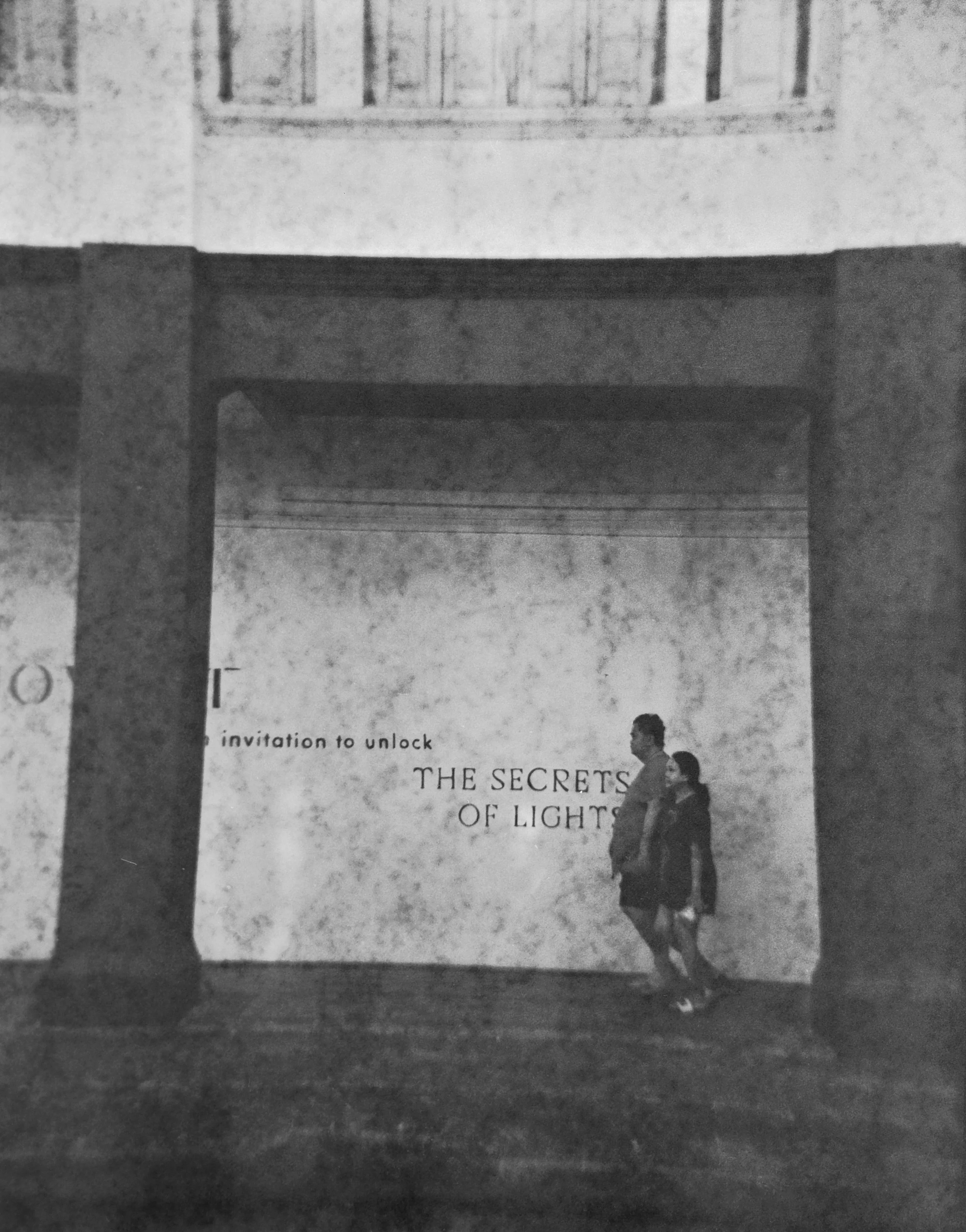
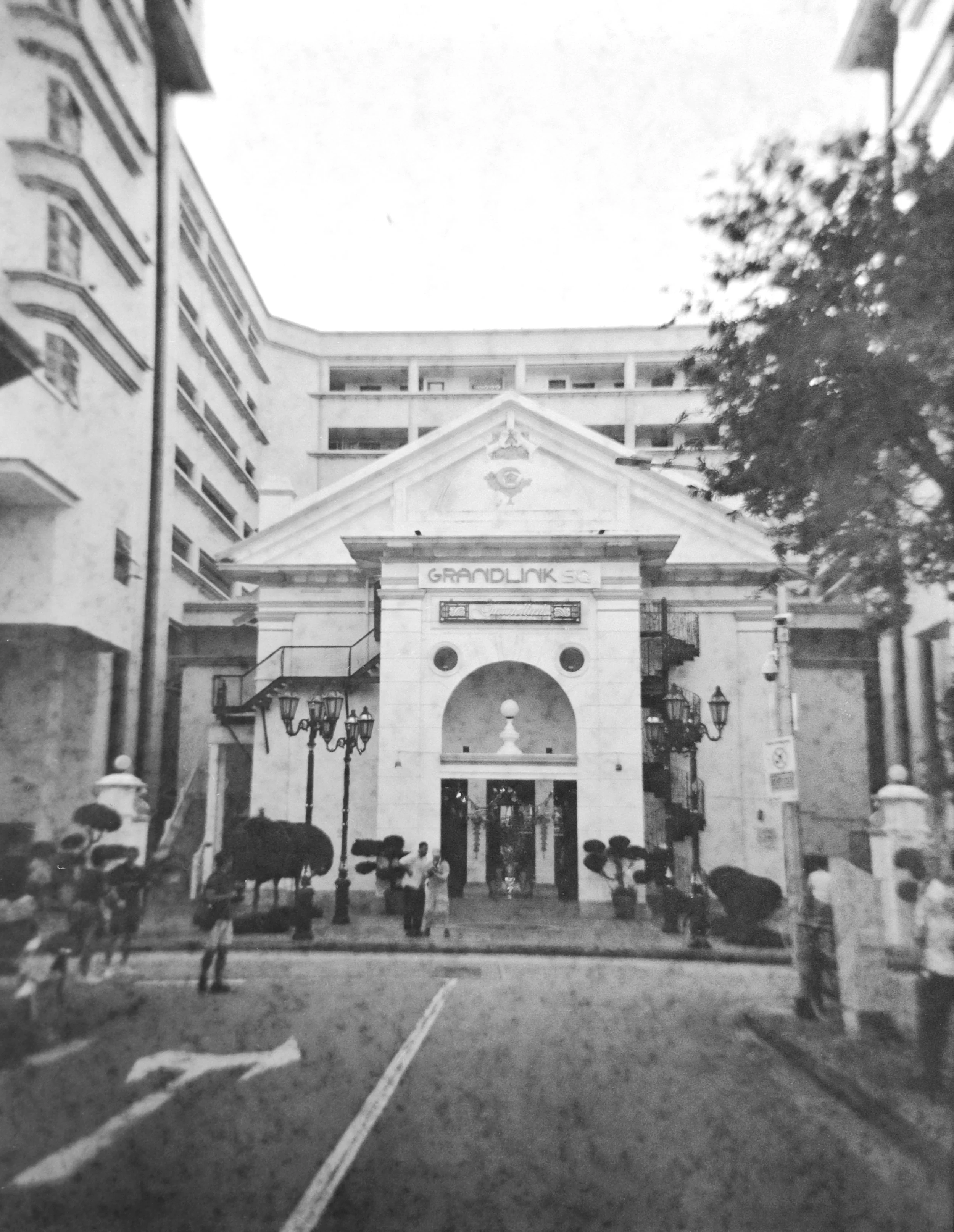
I love these Saturday photo walks where I get to connect with people that I consider friends, discuss about photography, and help people feel welcome in the group. I consider this to be an opportunity to give back to my community here in Singapore. Following are a few of my favorite images from this excursion.